We are Here to Help Gardeners of Wake County!
The NC State Extension Master Gardener℠ volunteers of Wake County are a team of dedicated and certified individuals who use research-based plant/pest/disease and other gardening information to help residents in the Piedmont be successful in their home gardens and landscapes.
With a broad spectrum of ages, life experiences, and educational backgrounds we seek to serve the diverse groups of Wake County residents. We hope you enjoy articles written by our members on various gardening topics.
Recent Blog Posts:
-
Crape Myrtle Bark Scale: Identify and Understand a New Pest
Crape Myrtle Bark Scale is an invasive species affecting crape myrtles in the South and Southeast. Learn more about its spread and the life cycle of its host.


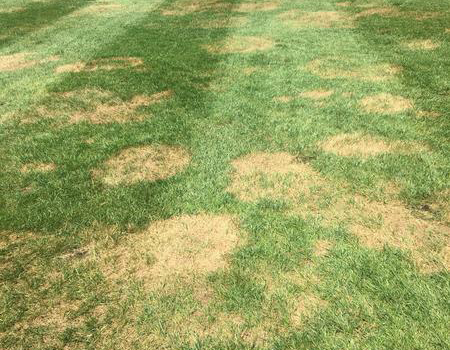
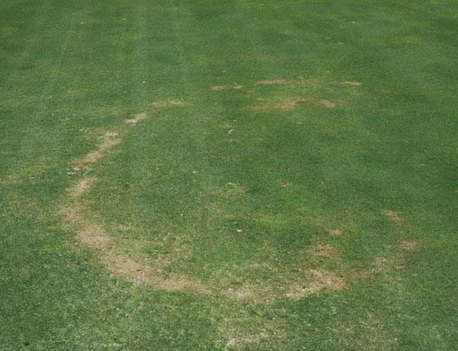
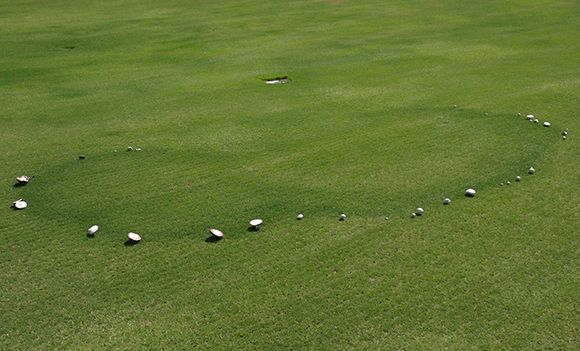
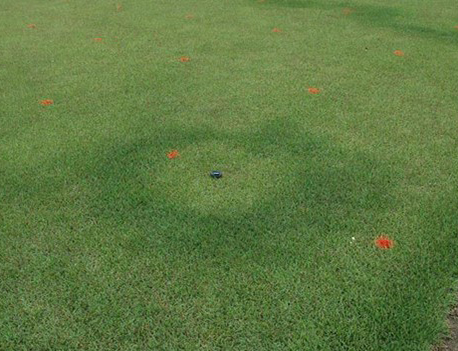
Our warm, humid, and wet September weather can sometimes result in turfgrass diseases. Two of the most prevalent lawn problems in September are Brown Patch (which affects fescue and ryegrass) and Fairy Ring (which affects all turfgrasses). If you see areas in your lawn that resemble the pictures below, click on the link for information on symptoms, development factors, and how to control them. For more information on other turfgrass problems, visit www.turffiles.ncsu.edu.
(Images credit: Turffiles, NCSU)
Brown Patch: https://www.turffiles.ncsu.edu/diseases-in-turf/brown-patch-in-turf/
Fairy Ring: https://www.turffiles.ncsu.edu/diseases-in-turf/fairy-ring-in-turf/
How to Use the Plant Disease and Insect Clinic’s BOLO Site
NC State University’s Plant Disease and Insect Clinic (PDIC) provides month-by-month lists of common plant diseases, pests, and other problems you may encounter in North Carolina yards and gardens. You can access this information at https://pdic.ces.ncsu.edu/bolos/
Double-click on the month in which you are seeing the problem in your yard or garden.
Search the list of categories such as Turfgrasses, Woody Ornamentals, Herbaceous Ornamentals (Perennials, Bedding Plants), Fruits & Nuts, Vegetables & Herbs, and Arthropods Associated with Multiple Plants.
Once you’ve identified the applicable category, scroll down for a list of common problems. Perhaps from the Woody Ornamentals category for September, you might think your boxwood has boxwood blight. For research-based information, search the phrase ‘boxwood blight ncsu’. Not only will you find information from NCSU but you will find information from other county cooperative extension service (CES) offices in North Carolina. If you wish to broaden the search beyond North Carolina, remove ‘ncsu’ and add ‘edu’ to get horticulture information from other universities.